
In this week’s posts, we’ve covered the importance of testing and measuring key areas of performance within your business.
For our final post on the subject, we’ll cover the “how” behind testing and measuring: how to determine the most relevant areas of performance, and how to begin accessing that data.

Read on for 3 simple steps to make it happen!
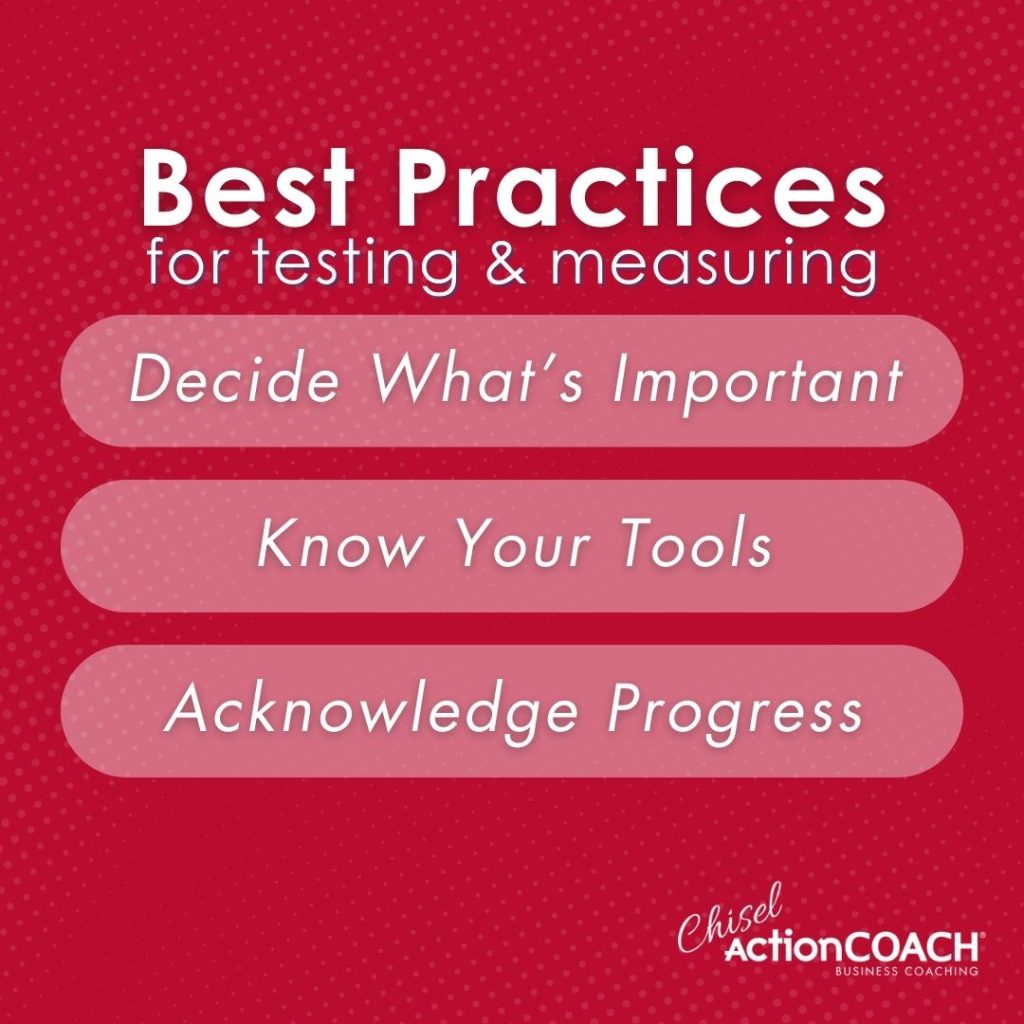
1. Decide What’s Important: Different businesses will have different areas of performance that are more relevant than others; decide which are most important for you. If you are a health practitioner, for example, one of your most important areas of measurement is bound to be repeat bookings. Don’t worry yourself with every click and engagement that you could possibly keep track of; you have the discretion to decide exactly what information reveals the most about whether you are hitting your targets.
2. Know Your Tools: These days, customer management software, web-hosting platforms, and social media sites come loaded with analytics features. Spend some time with the analytics section of your different platforms and determine which measurements are most relevant to your business’ progress. This can help clear away the clutter of unnecessary data and key you into the numbers that actually have to do with important aspects of your business (e.g., bookings, appointments, sales figures, web visits, and so on).

3. Acknowledge Progress: Testing and measuring is ultimately only as useful as your ability to recognize the status of your progress. Does the data show that you are meeting expectations, or is there still room for growth? Take a moment to see what the data has to say about your recent sales, bookings, etc., and decide whether the numbers are keeping pace with stated goals. If you glance at the data and see that the important figures are rising, take a second to celebrate the work you’ve put in to achieve desired growth within your business!
In summary, making the time to evaluate your business’ progress is key to utilizing data and analytics to their full potential. In a sea of data overload, you don’t need to concern yourself with every click and engagement; you can decide the numbers that are most relevant to your business. Sometimes it’s sales, repeat business, sign-ups, conversations (and the list goes on), but it’s up to you to determine what information is worth keeping an eye on.
If you could use additional clarity to utilize data in practical ways, shoot us a message! We are always ready to help passionate business leaders bring renewed focus and intention into their business practices.